


Shaving Irritation: How to Prevent Razor Burn, Redness, and Bumps
Redness after shaving is often dismissed as “normal.” In reality, it’s a visible sign of skin barrier disruption. Razor burn, post-shave irritation, and ingrown hairs are not inevitable — they’re typically the result of friction, poor lubrication, or improper aftercare.
This guide breaks down how to prevent shaving irritation using dermatologist-aligned techniques, product comparisons, and step-by-step shaving optimization — designed for men who want smoother results without compromising skin health.
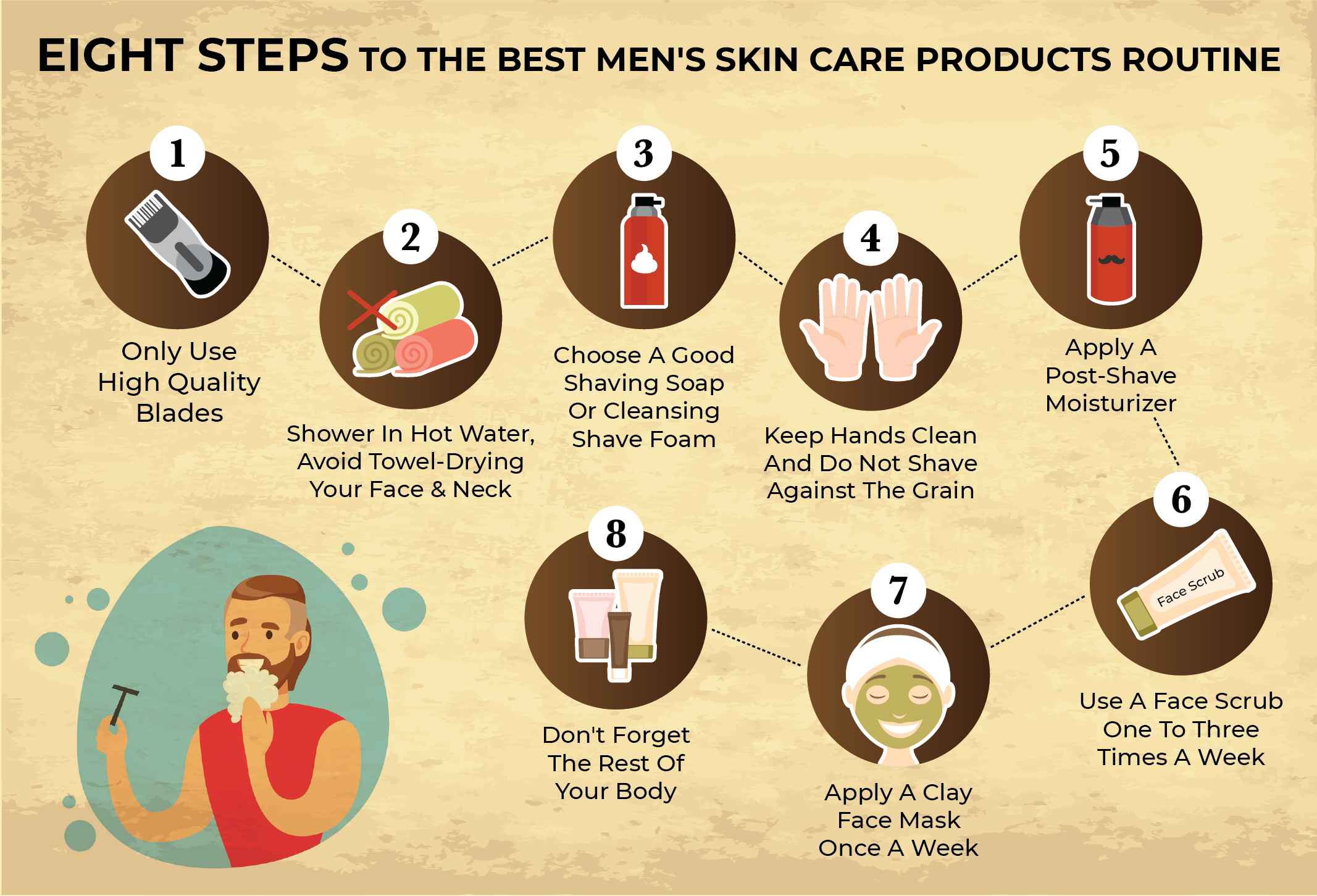
Why Does Shaving Cause Irritation?
Shaving is a controlled mechanical exfoliation. Each pass of a blade removes not only facial hair but also part of the stratum corneum (outer skin layer). When done improperly, it leads to:
- Razor burn – Micro-abrasions from excessive friction
- Post-shave redness – Inflammatory response from barrier damage
- Ingrown hairs – Hair cut below skin level and trapped
- Dryness & tightness – Lipid barrier disruption
Understanding this mechanism is critical: shaving irritation is not random. It’s procedural.
Step 1: Choose a Razor That Minimizes Friction
The type of razor directly affects skin trauma. In controlled product comparisons, floating electric systems consistently reduced repetitive passes and drag.
Recommended Electric Shaving Systems
- Ufree Electric Shaver – Multi-directional floating heads engineered to reduce repeated strokes and unnecessary pressure. Ideal for sensitive skin prone to redness.

- Philips Norelco 9000 Series – 360-degree rotating heads designed for facial contour adaptation.

- Braun Series 9 Pro – Linear sonic technology that captures dense hair with fewer passes.

SEO keywords integrated: best electric shaver for sensitive skin, reduce razor burn, floating head electric razor.
Professional insight: For irritation-prone skin, prioritize glide efficiency over ultra-close cutting performance. Over-aggressive closeness increases microtrauma.
Step 2: Never Dry Shave — Lubrication Is Non-Negotiable
Dry shaving is the leading cause of razor burn. Lubrication forms a protective film that reduces blade-to-skin contact.
High-Performance Shaving Gels & Serums
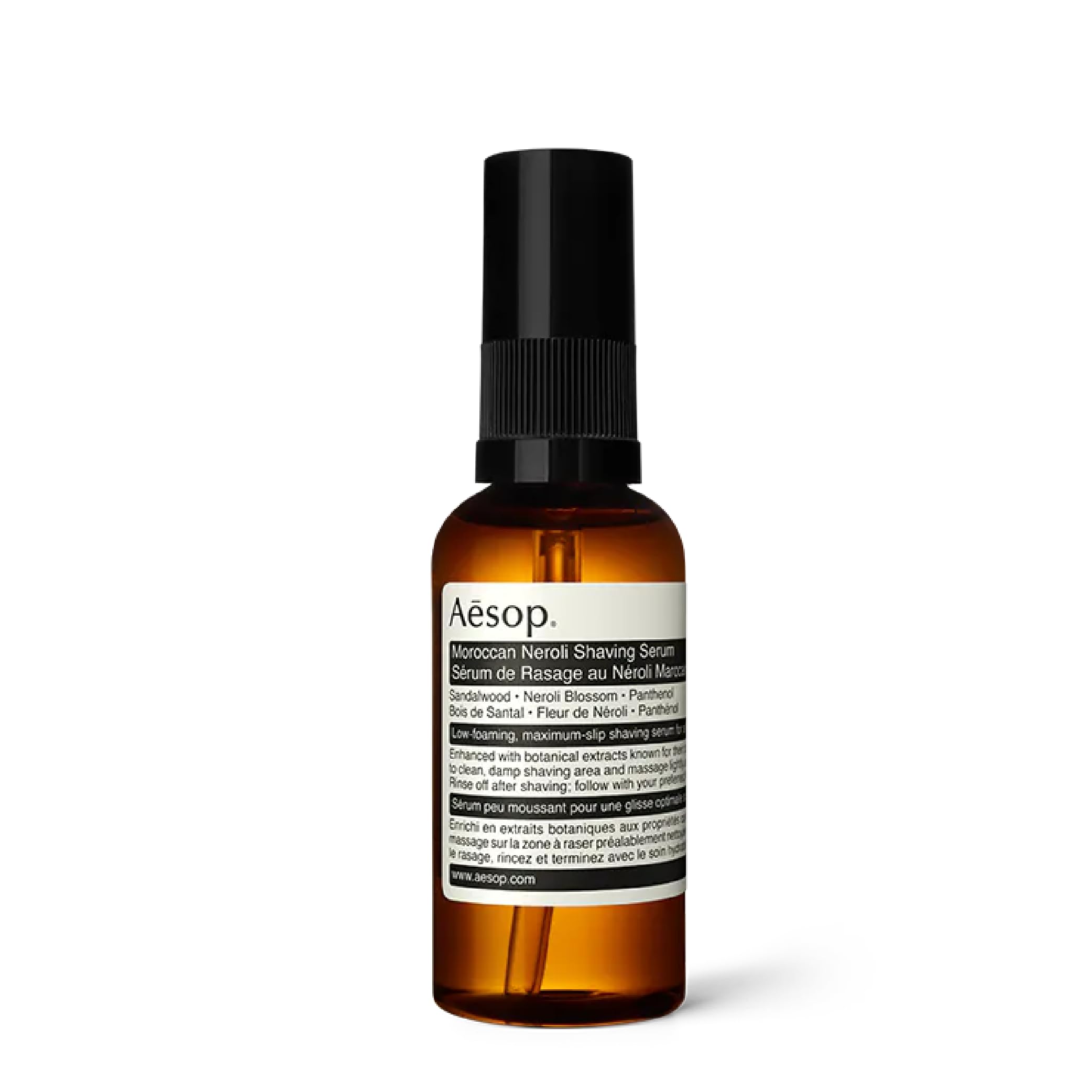
- Aesop Moroccan Neroli Shaving Serum – High-slip serum texture for coarse beards.
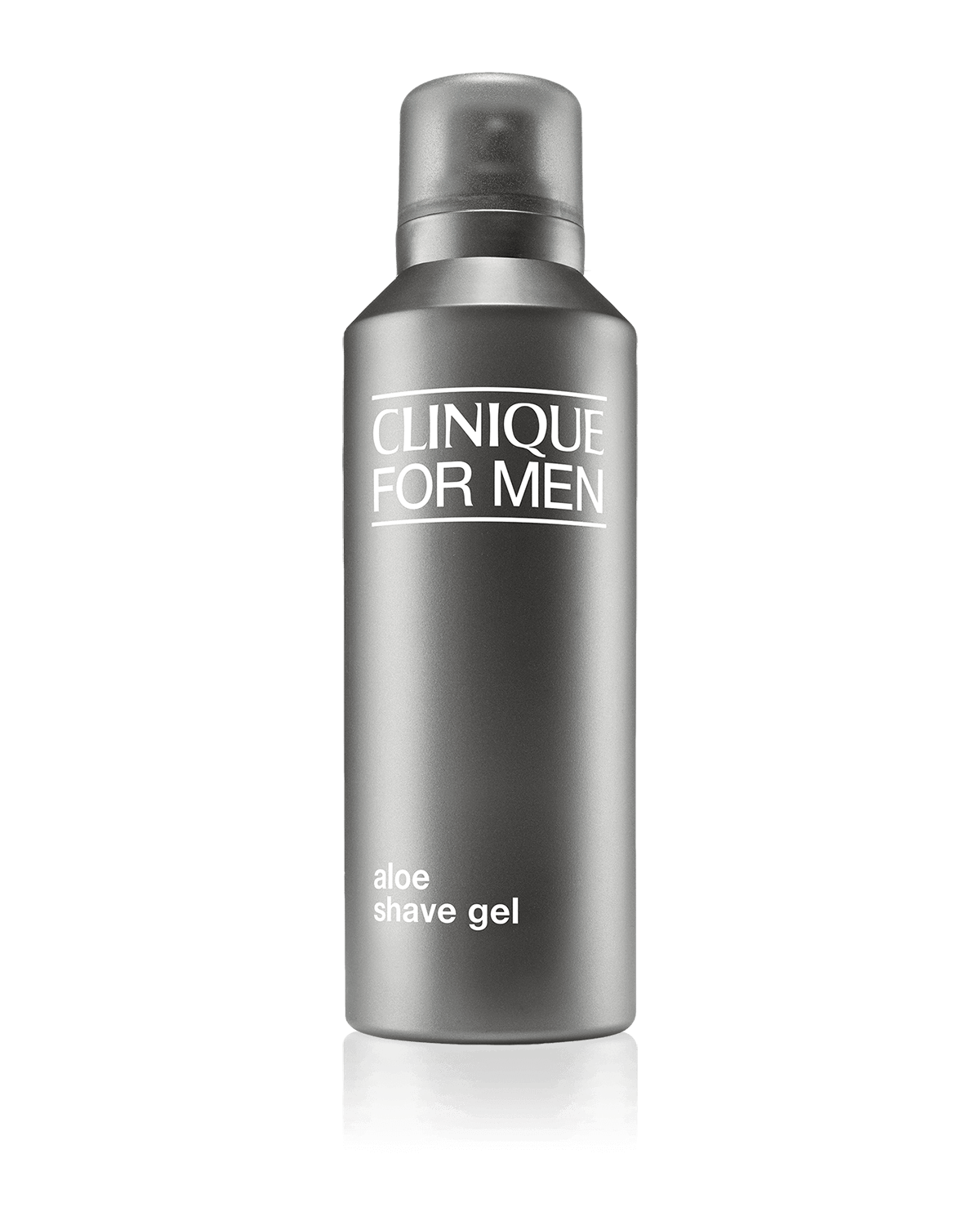
- Clinique for Men Aloe Shave Gel – Fragrance-free, soothing formulation with aloe.
When selecting shaving products, look for:
- Glycerin-based slip agents
- Aloe vera or panthenol
- Alcohol-free formulas
SEO keywords integrated: shaving gel for sensitive skin, prevent razor burn, best shaving cream for men.
Step 3: Shave With the Grain First
Shaving against the grain may feel smoother initially but significantly increases ingrown hair risk.
Low-Irritation Shaving Technique
- First pass: shave in the direction of hair growth
- Optional second pass: light cross-grain correction
- Avoid repeated strokes on the same area
- Use minimal pressure — let the motor do the work
SEO keywords integrated: how to shave without irritation, shaving technique for sensitive skin, prevent ingrown hairs.
Step 4: Post-Shave Care Determines Recovery Speed
The 30 minutes after shaving are critical for barrier restoration.
Post-Shave Recovery Essentials
- La Mer Moisturizing Soft Cream – Occlusive hydration for extremely dry skin.

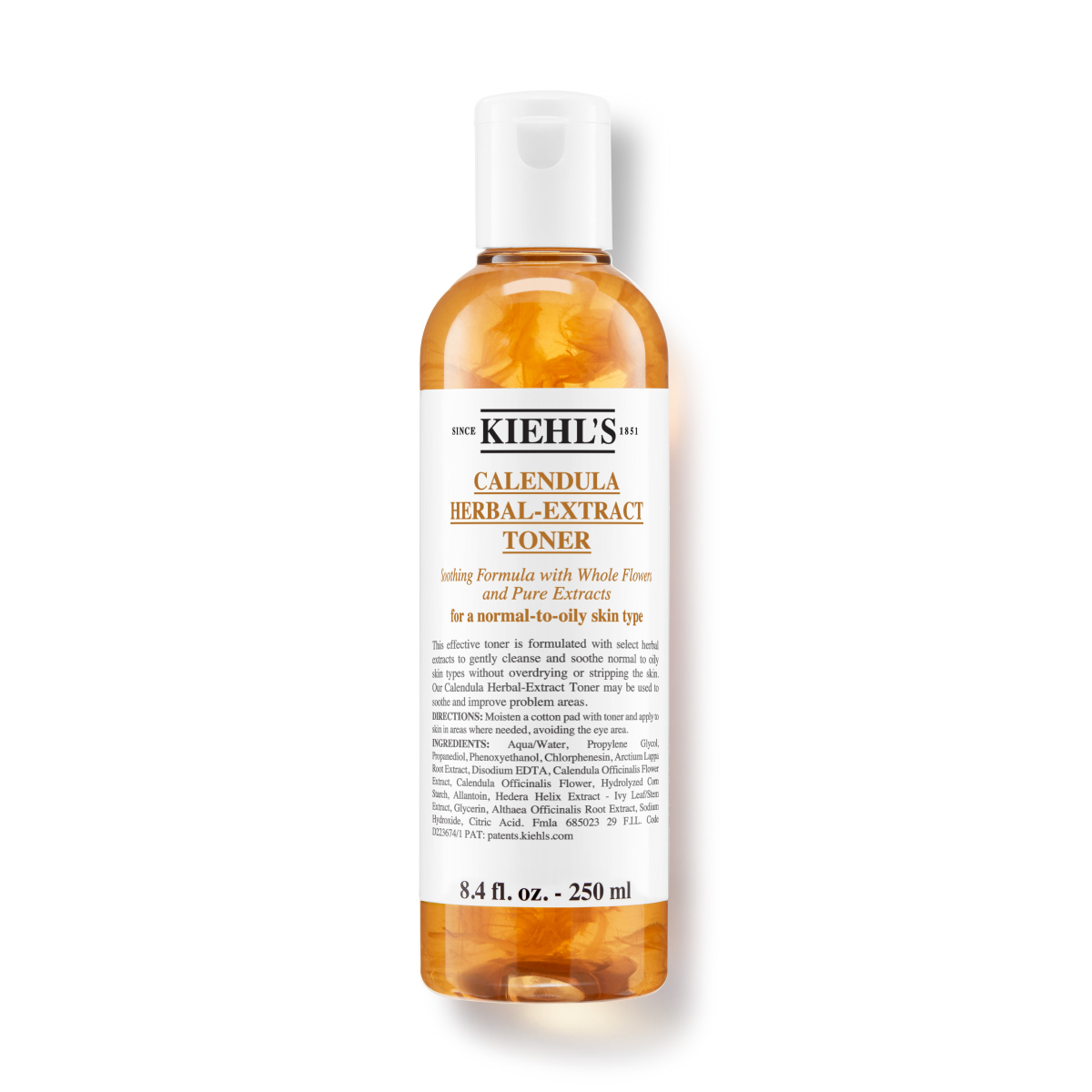
- Kiehl’s Calendula Toner – Calming botanical formula to reduce redness.
However, effective recovery does not require luxury pricing. A fragrance-free moisturizer with ceramides is sufficient for most skin types.
Avoid: High-alcohol aftershaves that amplify inflammation.
SEO keywords integrated: after shave care routine, reduce redness after shaving, best moisturizer after shaving.

Optimized Shaving Routine for Sensitive Skin
- Cleanse with lukewarm water
- Apply lubrication gel
- Use a floating-head electric shaver (e.g., Ufree)
- Shave with the grain
- Rinse with cool water
- Apply alcohol-free soothing moisturizer
When friction is minimized and barrier repair is prioritized, visible redness decreases significantly within weeks.
Frequently Asked Questions (FAQ)
1. Why does my skin turn red immediately after shaving?
Redness is an inflammatory response caused by micro-abrasions and barrier disruption. It often results from excessive pressure, dull blades, or dry shaving.
2. Is an electric shaver better for sensitive skin?
Yes. Electric shavers with floating heads — such as Ufree Electric Foil Shaver, Philips Norelco 9000, or Braun Series 9 Pro — typically create less direct blade contact and reduce irritation risk.
3. How can I prevent razor burn permanently?
Use proper lubrication, shave with the grain, avoid repeated strokes, and apply post-shave barrier repair products. Consistency is key.
4. Should I use aftershave with alcohol?
No. Alcohol-based formulas can intensify dryness and redness. Choose alcohol-free, soothing alternatives.
5. How often should I replace my razor?
For cartridge systems, every 5–10 shaves depending on hair density. Electric shaver heads typically require replacement every 12–18 months.
Final Takeaway
Shaving irritation is preventable. The solution is not more pressure or sharper aggression — it’s better engineering, better lubrication, and smarter technique.
Upgrading to a low-friction electric system like Ufree, pairing it with a protective shaving gel, and committing to post-shave barrier repair can dramatically reduce razor burn, redness, and ingrown hairs.
Precision grooming is not about force. It’s about control.
